
July 10, 2026 · 7 min
Whale season in Ilhabela: the show that passes by our window
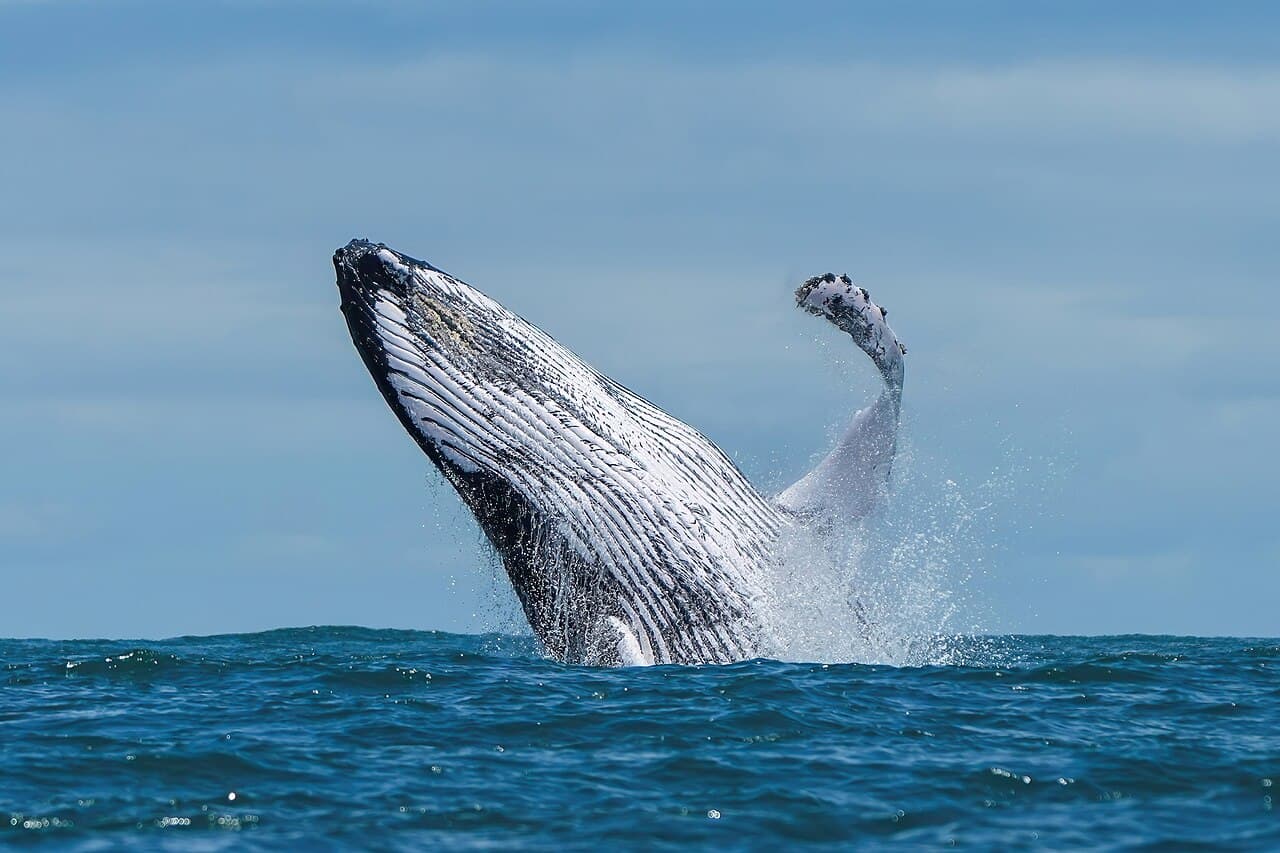
From May to August, humpbacks weighing up to 40 tons cross the São Sebastião Channel. In 2026, Brazil's first sighting happened right here. This guide covers where to watch, when to come, and the golden rules.
Every winter, Ilhabela becomes a passage point for giants. Humpback whales leave the icy waters of Antarctica and travel around 5,000 kilometers to the Brazilian coast to breed, mainly at the Abrolhos Bank in Bahia. Their route passes exactly here: through the São Sebastião Channel and the open sea around our archipelago.
And 2026 started in style. Brazil's first humpback sighting this year happened in Ilhabela, on April 16th, recorded by the Viva Verde Azul Institute. In the following days, the same whale was seen breaching in the south of the island and right next to the ferry crossing. It's the second consecutive year the national season opens here.
When to come
The official season runs from May to August, with peak sightings between June and July. In other words: right now. The 2025 season was historic, with over 780 records according to Projeto Baleia à Vista, which has monitored the region since 2016. By the end of July that year there were already 695 sightings, nearly double the 403 of 2024 in the same period.
The star is the humpback, but she doesn't come alone. The Bryde's whale, considered a resident of the region, shows up year-round. Porpoises and dolphins complete the regular cast. And every now and then the sea surprises: in March 2024, a pod of seven orcas was seen hunting rays in the south of the island.
This humpback comeback is a recovery story. After whaling was banned, the population migrating to Brazil jumped from about a thousand individuals to somewhere between 25 and 30 thousand, according to the Instituto Baleia Jubarte census. That's why sightings keep growing.
Where to watch for free, from land
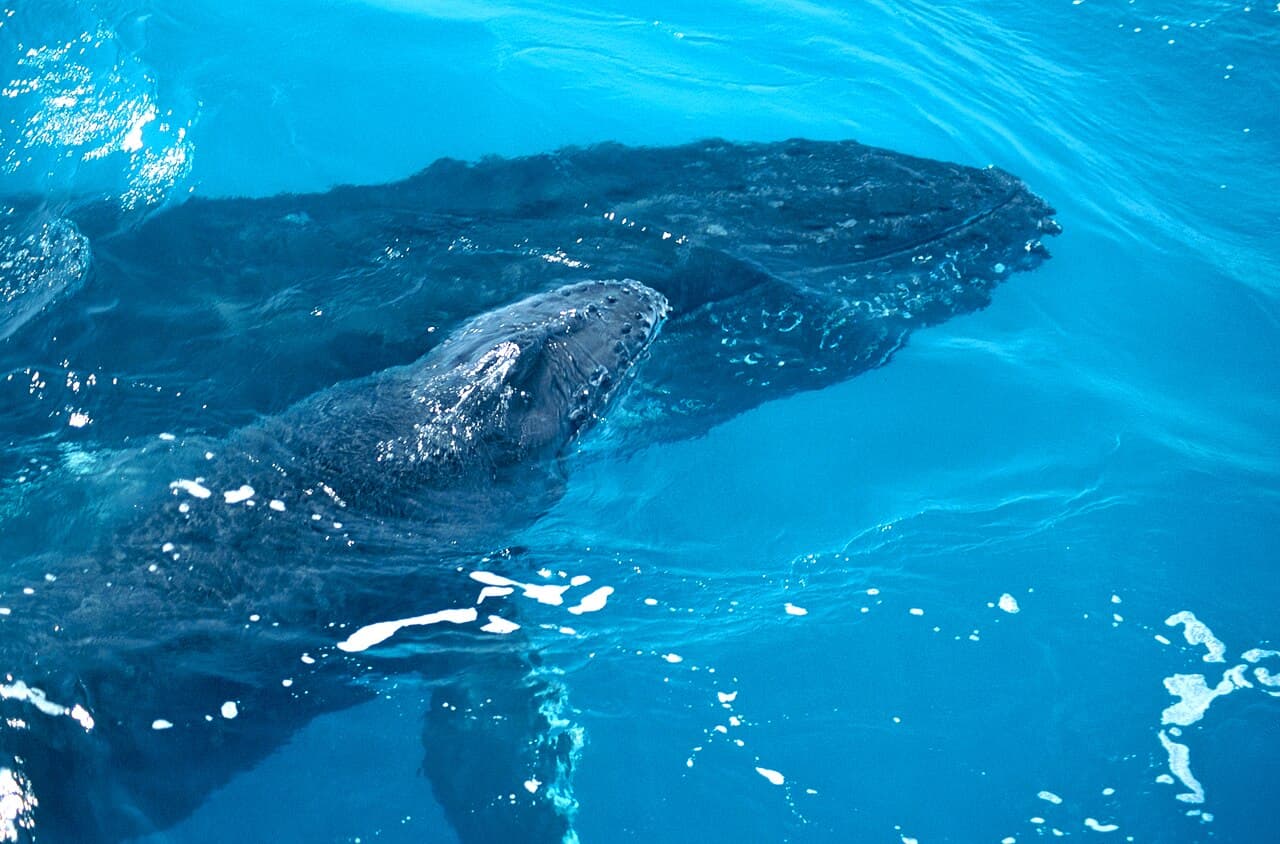
You don't need a boat to see whales in Ilhabela. The Caminho ao Mar Ciro Ledo Barbosa boardwalk, in the Taubaté neighborhood, has an open view of the channel and is the classic free spot. The Scientific Observation Deck of the VIVA Institute, in the southern region, works by appointment and comes with the bonus of researchers nearby to answer questions.
Two tips from those of us who watch from here: bring binoculars, because whales prefer deep waters and rarely pass close to the rocky shore. And be patient, because land-based watching works at any time of day with light. The longer you look at the sea, the better your chances.
By boat, departing from our beach
For those who want a closer look, boat tours last 3 to 4 hours and usually depart in the morning. The areas with the most sightings are Farol do Boi, the Itapecerica rocky coast, and the sea near Bonete Beach.
Most convenient for Recanto guests: Maremar Turismo runs its whale watching tour from Av. São João, right on Perequê Beach, a few minutes' walk from here. The boat carries a biologist on board and the operator reports a 95% success rate in the 2023 and 2024 seasons. Children under 5 are not allowed.
The golden rules (and why they matter)
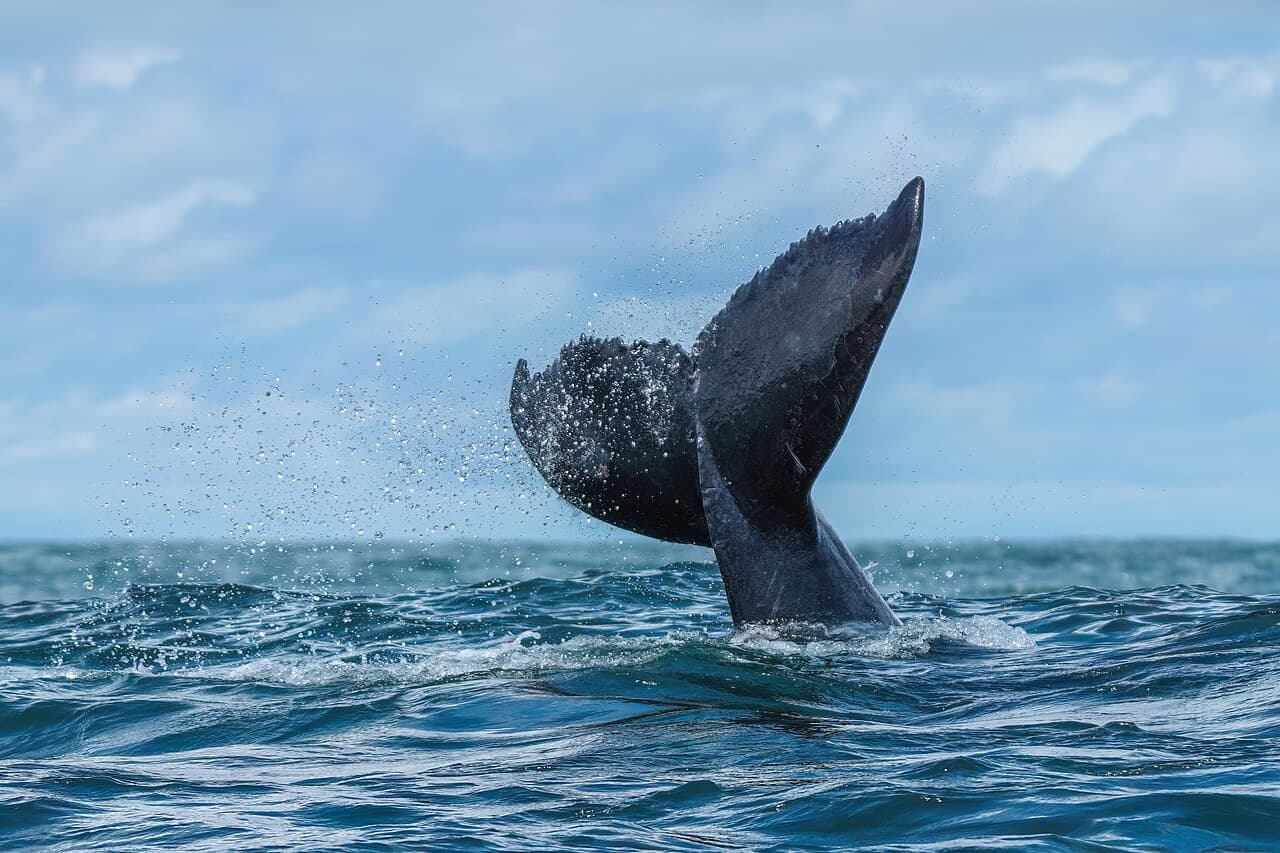
Whale watching in Brazil is regulated by federal law, and Ilhabela takes it seriously: the city holds the Whale-Friendly City seal and, in 2026, reinforced enforcement with drones and on-board monitoring. The region has around 17,000 vessels, so the rules exist to genuinely protect the animals.
The essentials: vessels cannot approach within 100 meters of any whale with the engine running, it's forbidden to follow the animals for more than 30 minutes, to swim or dive within 50 meters, to make excessive noise near them, or to dump any waste in the sea. If you book a tour, choose operators from the official Whale-Friendly list.
In the end, there's really just one golden rule: we're guests in their home. And what a privilege to be a guest somewhere the show passes right by the window.
Come live this up close.
Stay 300m from Perequê Beach, with parakeets as your alarm clock.
Check availability